The Importance of Hiring Certified Mold Specialists for Your Mold Issues

Mold growth in homes and buildings can cause serious health problems and damage to property. Many people try to handle mold issues themselves or hire unqualified workers, but this often leads to incomplete removal and recurring problems. Hiring a certified mold specialist ensures the mold is properly identified, safely removed, and prevented from returning. This article explains why certified professionals are essential for handling mold issues effectively.

Understanding Mold and Its Risks
Mold is a type of fungus that thrives in moist environments. It spreads quickly on surfaces like walls, ceilings, and floors when there is excess humidity or water damage. Mold produces spores that can become airborne and cause respiratory problems, allergic reactions, and other health issues, especially for children, elderly people, and those with weakened immune systems.
Beyond health risks, mold can weaken building materials, leading to costly repairs. It can damage drywall, wood, insulation, and even structural components. Because mold often grows hidden behind walls or under floors, it can be difficult to detect and remove without professional help.
Why Certification Matters
Certified mold specialists have undergone specific training and passed exams to prove their knowledge and skills in mold inspection, testing, and remediation. Certification programs follow industry standards and guidelines to ensure safe and effective mold removal.
Here are key reasons why certification is important:
Accurate Mold Identification
Certified specialists use advanced tools and techniques to identify the type and extent of mold growth. This helps determine the right treatment plan.
Proper Safety Measures
Mold removal involves exposure to spores and chemicals. Certified professionals know how to protect themselves and occupants using personal protective equipment (PPE) and containment methods.
Effective Remediation Techniques
Specialists follow proven procedures to remove mold, clean affected areas, and prevent future growth. This includes fixing moisture problems that caused the mold.
Compliance with Regulations
Certified mold specialists understand local and national regulations related to mold remediation. This ensures the work meets legal and health standards.
The Risks of DIY Mold Removal
Many homeowners attempt to clean mold themselves using household cleaners or bleach. While this might remove surface mold temporarily, it rarely addresses the root cause or hidden mold behind walls. Improper removal can spread spores to other areas, worsening the problem.
DIY efforts often miss contaminated materials that need removal or fail to fix moisture sources. This leads to mold returning quickly, requiring more extensive and expensive treatment later.
What to Expect from a Certified Mold Specialist
When you hire a certified mold specialist, you can expect a thorough process:
Inspection and Assessment
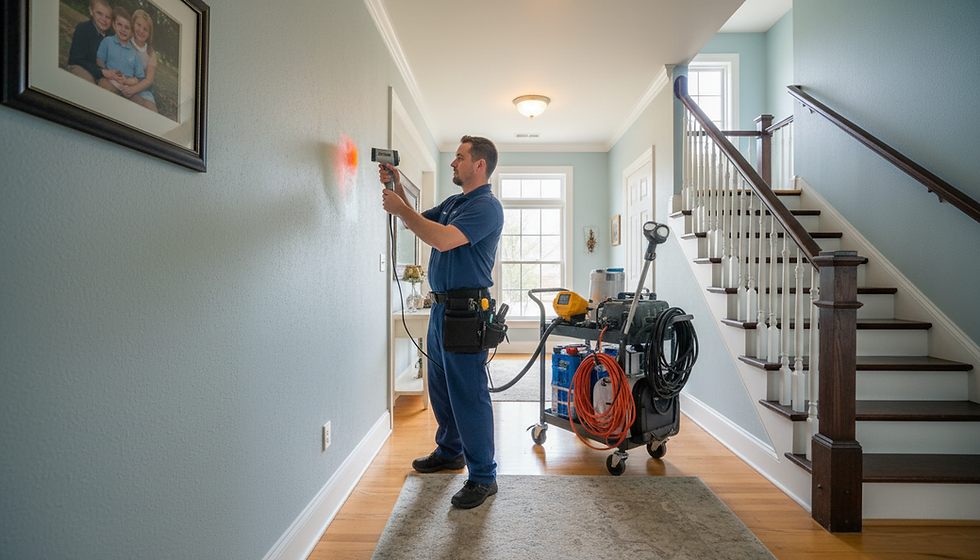
The specialist inspects the property, looking for visible mold and signs of moisture. They may use moisture meters, infrared cameras, and air sampling to detect hidden mold.
Testing and Analysis
Samples of mold or air are collected and analyzed in a lab to identify mold species and concentration levels.
Remediation Plan
Based on findings, the specialist creates a detailed plan outlining removal methods, safety precautions, and repair needs.
Mold Removal and Cleanup
The specialist uses containment barriers, HEPA vacuums, and specialized cleaning agents to remove mold safely. Contaminated materials may be removed and disposed of properly.
Prevention and Follow-up
After cleanup, the specialist advises on moisture control and ventilation improvements to prevent mold from returning. Some offer follow-up inspections to ensure the problem is resolved.
Real-Life Example
A family in a humid climate noticed a musty smell and black spots on their bathroom ceiling. They tried cleaning with bleach, but the mold returned within weeks. They hired a certified mold specialist who found hidden mold inside the ceiling drywall caused by a leaking pipe. The specialist removed the damaged drywall, fixed the leak, and treated the area with antimicrobial solutions. The family saw no mold recurrence after the professional treatment and repairs.
How to Choose a Certified Mold Specialist
To find a reliable certified mold specialist, consider these tips:
Check for certification from recognized organizations such as the Institute of Inspection, Cleaning and Restoration Certification (IICRC) or the National Organization of Remediators and Mold Inspectors (NORMI).
Ask for references and reviews from past clients.
Confirm they carry proper insurance and follow safety standards.
Request a detailed written estimate and remediation plan.
Avoid companies that guarantee mold removal without inspection or testing.
Protect Your Health and Property
Mold problems can escalate quickly if not handled properly. Hiring a certified mold specialist protects your health by ensuring thorough removal of harmful spores. It also safeguards your property by addressing the source of moisture and preventing structural damage.
Ignoring mold or using unqualified services often leads to repeated issues and higher costs. Certified professionals bring expertise, equipment, and safety knowledge that make a lasting difference.


Comments