The Unseen Dangers of Tiny Leaks: How Water Can Cause Major Damage


Water leaks might seem harmless when they start as tiny drips or slow seepages. Many homeowners and property managers overlook these small signs, assuming they won’t lead to serious problems. Yet, even the smallest leak can quickly escalate into a costly and damaging issue. Understanding how water spreads from tiny leaks and the risks involved can help prevent extensive damage and expensive repairs.
How Water Moves from Small Leaks to Large Problems
Water behaves differently than many expect. It doesn’t just drip and stay put. Instead, it travels along surfaces, seeps into materials, and finds its way into hidden spaces. This movement allows water to spread far beyond the initial leak point.
Capillary action pulls water into tiny cracks and porous materials like wood, drywall, and concrete.
Water follows the path of least resistance, often moving behind walls, under floors, or inside ceilings.
Over time, water accumulates in hidden areas, creating damp environments that encourage mold growth and structural decay.
For example, a small leak under a kitchen sink might seem contained, but water can travel behind cabinets and into the subfloor. This unseen spread can weaken the floor structure and cause mold to develop, which affects indoor air quality and health.
Common Sources of Tiny Leaks
Leaks can originate from many places, often going unnoticed until damage becomes visible. Some common sources include:
Plumbing joints and fittings that loosen or corrode
Roof flashing and shingles damaged by weather or age
Appliance connections such as washing machines, dishwashers, or water heaters
Condensation forming on pipes or HVAC systems
Cracks in foundation or walls allowing groundwater intrusion
Each of these sources can start with a small drip or slow seepage that worsens over time.
The Risks of Ignoring Tiny Leaks
Ignoring a small leak can lead to several serious problems:
Structural damage: Water weakens wood, drywall, and insulation. Over months or years, this can cause walls to warp, floors to sag, and ceilings to collapse.
Mold and mildew growth: Moisture encourages mold spores to grow, which can trigger allergies, respiratory issues, and other health problems.
Electrical hazards: Water near electrical wiring or outlets increases the risk of short circuits and fires.
Pest infestations: Damp environments attract insects like termites and cockroaches, which cause further damage.
Increased repair costs: Fixing a small leak is usually inexpensive, but repairing water damage, mold remediation, and structural repairs can cost thousands.
For instance, a slow leak behind a bathroom wall might go unnoticed for months. By the time it’s discovered, mold could have spread extensively, requiring professional removal and replacement of drywall and insulation.
How to Detect Tiny Leaks Early
Early detection is key to preventing water damage. Here are practical ways to spot leaks before they cause major harm:
Regularly inspect visible plumbing under sinks, around toilets, and near appliances.
Check water bills for unexplained increases, which may indicate hidden leaks.
Look for signs of moisture such as water stains, peeling paint, or warped surfaces.
Listen for dripping sounds or running water when no fixtures are in use.
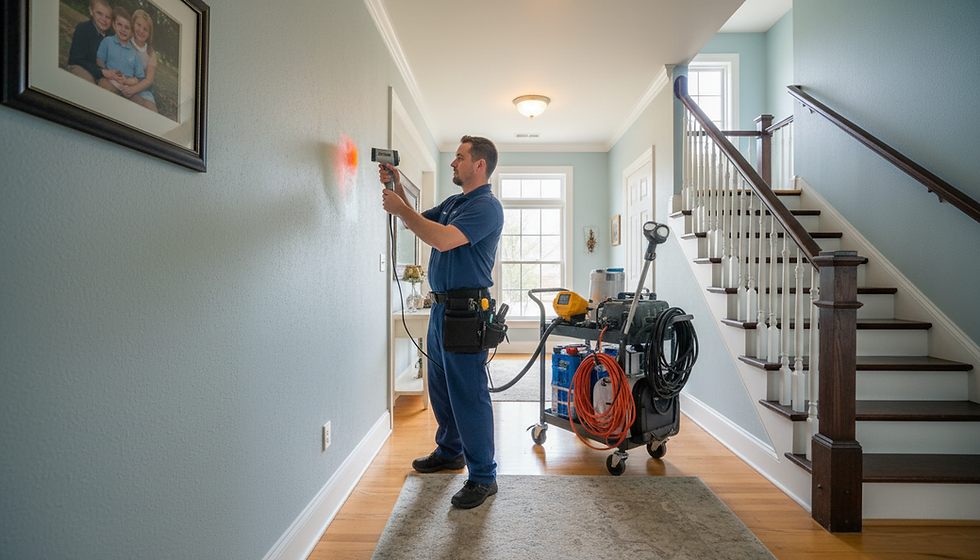
Use moisture meters or infrared cameras to detect hidden dampness in walls and floors.
Monitor ceilings and attic spaces for discoloration or soft spots.
Routine maintenance and vigilance can catch leaks early, saving time and money.
Steps to Take When You Find a Leak
If you discover a leak, act quickly to minimize damage:
Turn off the water supply to stop the flow.
Dry the affected area using fans or dehumidifiers.
Repair or replace damaged pipes or fixtures promptly.
Inspect surrounding areas for hidden moisture or mold.
Consult a professional plumber or water damage specialist if the leak is extensive or hard to access.
Taking swift action limits water spread and reduces the risk of long-term damage.
Preventing Leaks and Water Damage
Prevention is the best defense against water damage. Consider these tips:
Schedule regular plumbing inspections to catch wear and tear early.
Maintain roofing and gutters to prevent leaks from rainwater.
Seal cracks in foundations and walls to block groundwater.
Install water leak detectors near appliances and plumbing.
Keep humidity levels low inside the home to reduce condensation.
Replace old or damaged pipes before they fail.
By staying proactive, property owners can protect their investments and avoid costly repairs.


Comments